AGP Executive Report
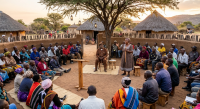
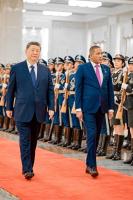
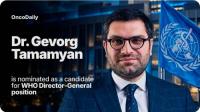
Last update: 2 hours agoClimate Preparedness: Botswana is on high alert for El Niño, which could threaten household water and food security. A presidential task force is coordinating preparations and response measures. Malaria Elimination: A new national council will coordinate efforts to eliminate malaria and neglected tropical diseases, with President Duma Boko pledging to seek malaria-free certification by 2029. Health Partnerships: Botswana and China are looking to deepen healthcare cooperation, including medical services, professional training and local capacity-building. Health Leadership: Botswana has nominated Armenian paediatric oncologist Gevorg Tamamyan to lead the WHO, whose director-general’s term ends in 2027. Digital Health: Botswana is also exploring AI integration into its National Health Insurance system.
Note: AI summary from news headlines; neutral sources weighted more to help reduce bias in the result. Feedback is welcome. Please let us know if you have any comments or suggestions about the AGP Executive Report.




 Perspectify News